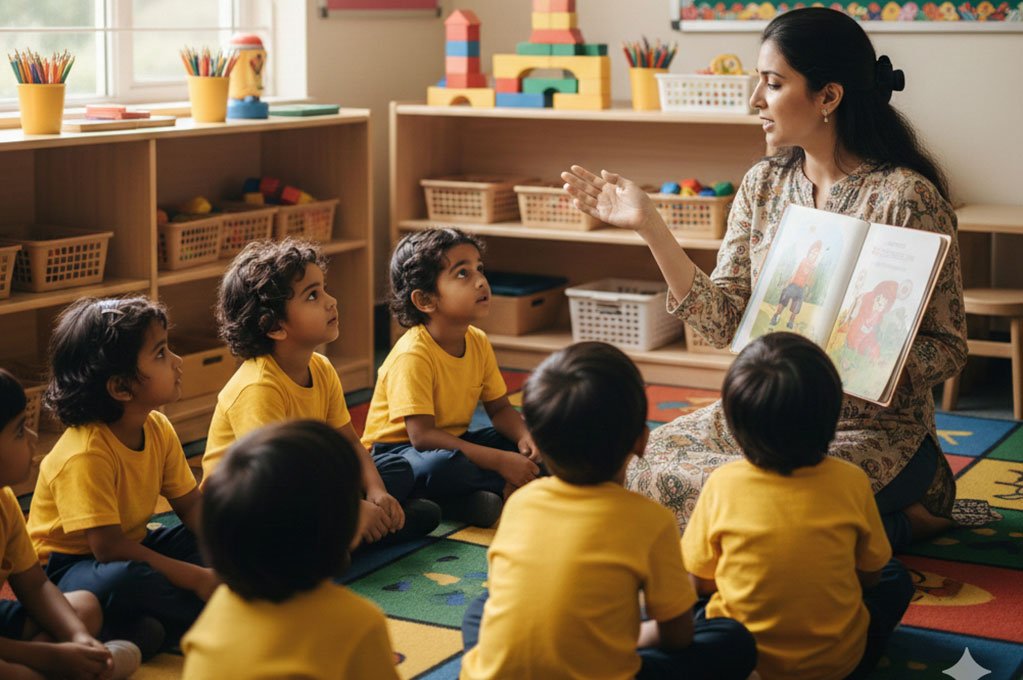



Creating a structured daily routine plays a powerful role in early childhood development. For preschool children, routines are more than just schedules — they are learning tools that shape behavior, improve focus, and build emotional security. Well-planned daily routines help preschoolers understand what to expect, feel confident, and learn more effectively through consistent experiences.
In this article, we explore daily routines that help preschool children learn better, while highlighting how simple habits can support cognitive, emotional, and social development.
Preschool children thrive on predictability. When daily activities follow a consistent pattern, children feel safe and relaxed, which helps them concentrate and engage in learning. A structured routine also supports:
Research in early childhood education shows that structured daily routines in preschool significantly improve learning outcomes and school readiness.

A calm and predictable morning routine prepares preschool children mentally for the day ahead.
Effective morning habits include:
These simple routines build responsibility and help children transition smoothly into learning mode. A consistent morning routine improves focus and reduces anxiety in preschool children.
Circle time is a crucial part of a preschool daily routine. It encourages language development, listening skills, and social interaction.
During circle time, children can:
This routine enhances vocabulary, boosts confidence, and helps children learn how to express themselves clearly.
Play-based learning is essential for preschool education. Daily play routines help children learn concepts naturally through exploration and creativity.
Types of play that support learning:
Including structured playtime in preschool routines helps develop problem-solving skills, creativity, and fine motor coordination.
Snack and meal times are excellent learning opportunities when included thoughtfully in daily routines.
Children learn:
Consistent meal routines also support physical growth and improve attention during learning sessions.
Daily outdoor play is vital for a child’s physical and mental well-being. It helps release energy and improves concentration during indoor learning.
Outdoor routines may include:
Physical activity strengthens muscles, improves coordination, and supports brain development in preschool children.
Preschool children need regular rest to recharge their minds. A quiet time routine helps prevent overstimulation and supports emotional balance.
Quiet activities can include:
Rest routines help improve memory retention and emotional regulation, making children more receptive to learning.
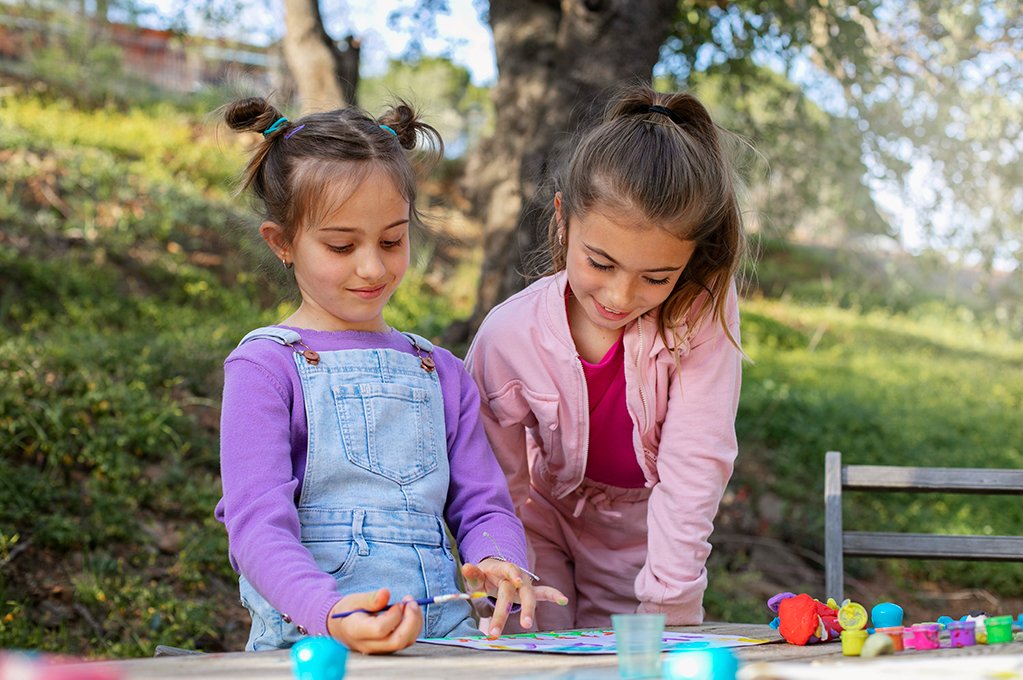
Including creative routines daily helps preschool children express themselves freely and think imaginatively.
Creative routines may involve:
Creativity boosts confidence and encourages self-expression, which is essential for holistic preschool development.
Ending the day with a consistent routine helps children feel accomplished and emotionally cure.
This routine can include:
Reflection routines help children connect experiences with learning outcomes and develop emotional intelligence.





 Recent Post