

How to Encourage Good Behaviour in Preschool Kids
Helping preschoolers develop good behaviour is one of the most important roles parents and teachers share. At Kidzee Kalyan Nagar, we believe positive habits formed in the early years build a strong foundation for a child’s emotional, social, and academic growth. With the right support, young children can learn to express themselves, follow rules, and interact kindly with others.
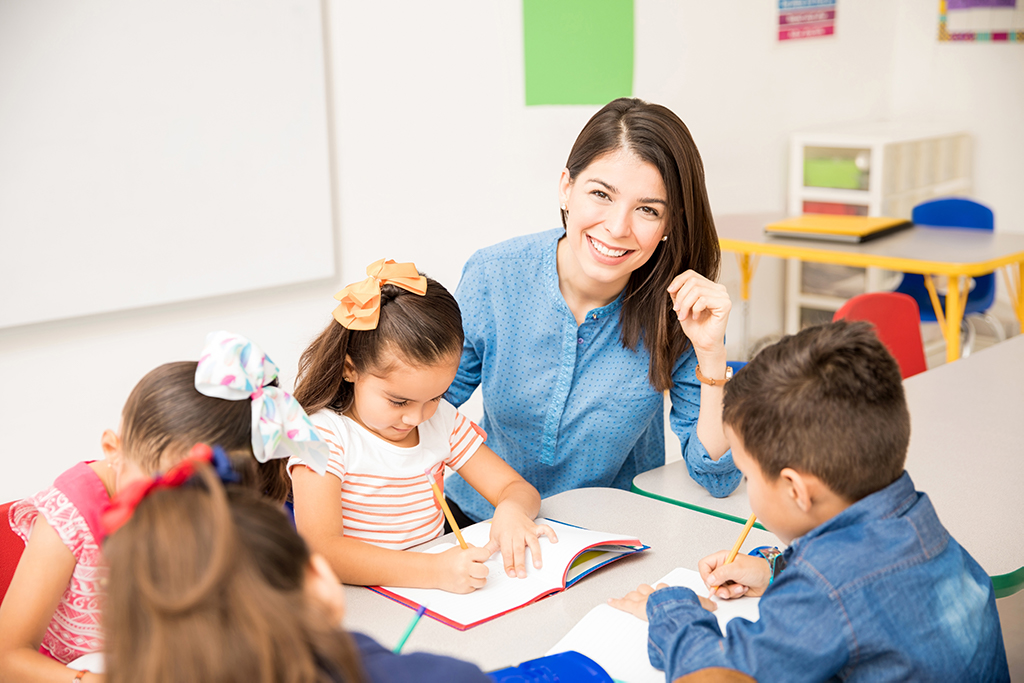
1. Create a Loving and Supportive Environment
A warm and positive environment helps them trust adults and communicate openly.
At home and in the classroom, simple things like smiles, hugs, encouraging words, and attentive listening make a big difference.
2. Set Clear and Simple Rules
Preschoolers need structure. When rules are clear and consistent, children know what is expected of them.
Tips for setting rules:
Keep instructions short (e.g., “Walk inside,” “Use gentle hands”).
Repeat rules often.
Explain the reasons behind them in simple language.
Stay consistent — the same rule applies every day.
Clear rules help children understand boundaries and develop self-discipline.
3. Praise Good Behaviour Immediately
Positive reinforcement is one of the most powerful tools in early childhood education.
When you notice a child sharing, waiting patiently, or cleaning up, praise them right away.
Examples of effective praise:
“I like how you shared your toy with your friend!”
“You waited for your turn so nicely!”
“Great job cleaning up!”
Timely praise encourages kids to repeat positive actions because it makes them feel proud and confident.
4. Use Positive Language and Gentle Guidance
Instead of saying “Don’t run,” try “Let’s walk slowly.”
Preschoolers respond better to what they should do instead of what they should not do.
Soft reminders, calm tones, and patient expressions help children learn good behaviour without fear or pressure.
At Kidzee Kalyan Nagar, teachers use child-friendly communication so kids feel respected and understood.
5. Offer Choices to Build Responsibility
Giving children simple choices develops independence and reduces stubbornness.
Examples of useful choices:
“Do you want to use the red crayon or the blue one?”
“Should we clean up toys first or books first?”
“Would you like to wear the yellow T-shirt or the green one?”
When children feel they have control, they behave more cooperatively.
6. Model the Behaviour You Expect
Children learn more by watching than by listening.
They copy adults’ actions, tone of voice, and problem-solving methods.
Model behaviours like:
Saying “please” and “thank you”
Being patient
Apologizing when necessary
Speaking kindly
Keeping things tidy
When adults demonstrate good manners and self-control, children naturally follow the same pattern.
7. Create Routines and Stick to Them
Predictable routines give children a sense of security and help them transition smoothly between activities.
A good routine includes:
Wake-up and bedtime
Mealtimes
Playtime
Learning time
Quiet time
Clean-up time
Consistent routines reduce confusion and help kids behave better because they know what to expect next.
8. Teach Emotional Understanding
Sometimes children act out because they don’t know how to express their feelings.
Teaching emotional awareness helps them communicate better and reduces tantrums.
Ways to build emotional skills:
Use picture cards to show emotions
Talk about feelings during play
Teach phrases like “I am sad,” “I need help,” or “I feel angry”
When kids learn to name their emotions, they gain better control over them.
9. Use Calm and Fair Consequences
If a child breaks a rule, respond calmly and consistently.
Consequences should be simple and related to the behaviour.
Examples:
If a child throws a toy, they take a short break from playing with it.
If they make a mess, they help clean it up.
Avoid shouting or punishment — it can create fear.
Gentle consequences teach responsibility and help children learn from mistakes.
10. Stay Patient and Celebrate Progress
Every child learns at their own pace.
Good behaviour develops gradually through support, consistency, and love.
Celebrate even small improvements — it motivates children to keep trying.
At Kidzee Kalyan Nagar, we encourage parents to stay patient, participate actively, and enjoy the journey of growth with their child.
Encouraging good behaviour in preschool kids is not about strict rules — it’s about guiding them with love, consistency, and understanding. By using positive reinforcement, clear communication, predictable routines, and emotional support, parents and teachers can shape confident, well-mannered, and happy learners.
At Kidzee Kalyan Nagar, we follow a child-centric approach to help every child grow into a responsible and kind individual. Together with parents, we aim to nurture strong values, positive habits, and joyful learning experiences.