

How Parents Can Support Learning at Home for Preschoolers
The early years of a child’s life are the foundation for future learning. Preschoolers are naturally curious, eager to explore, and ready to absorb new skills every day. As a parent, you play the most important role in shaping your child’s learning journey. The good news is that you don’t need expensive tools or complicated methods to support learning at home. Simple, everyday activities can make a big difference.
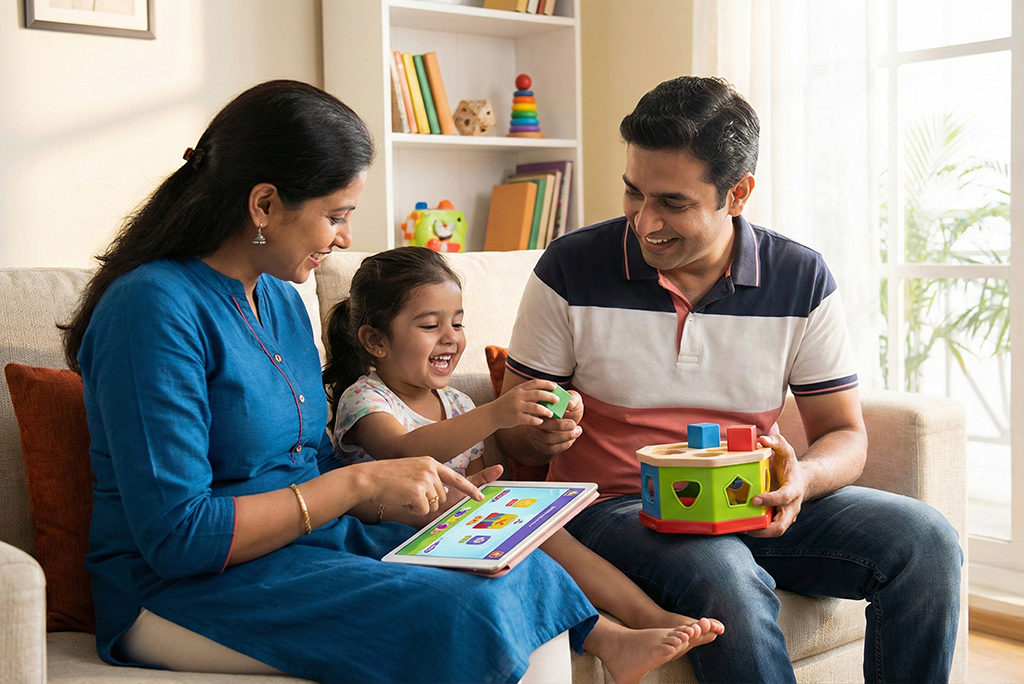
1. Create a Positive Learning Environment
Children learn best in a safe, happy, and encouraging environment. Set up a small learning corner at home with crayons, storybooks, puzzles, and building blocks. Keep the area colorful and inviting so your child feels excited to sit and explore.
Praise your child’s efforts instead of focusing only on results. Simple words like “Good try!” or “I’m proud of you!” boost their confidence and motivate them to keep learning.
2. Make Learning a Part of Daily Routines
Learning doesn’t have to be limited to books or worksheets. Everyday activities are wonderful opportunities to teach new concepts.
While cooking, talk about colors, shapes, and counting vegetables.
While dressing, name body parts and clothing items.
During bath time, introduce words like “full,” “empty,” “float,” and “sink.”
These small moments help children understand the world around them in a fun and natural way.
3. Encourage Reading and Storytelling
Reading plays a major role in early childhood development. Spend time reading picture books, fairy tales, and short stories with your child every day. Use different voices for characters and ask simple questions like, “What do you think will happen next?”
You can also encourage your child to tell their own stories using pictures. This improves vocabulary, imagination, and speaking skills.
4. Use Play-Based Learning
For preschoolers, play is the best form of learning. Educational play helps develop thinking, problem-solving, and social skills.
Some great play-based learning ideas include:
Building towers with blocks
Sorting items by color and size
Simple puzzles and matching games
Pretend play like playing “shop” or “doctor”
These activities make learning joyful and stress-free.
5. Limit Screen Time and Encourage Hands-On Activities
While digital devices can be educational, too much screen time can reduce creativity and physical activity. Balance screen time with hands-on activities like drawing, coloring, cutting paper shapes, gardening, and simple DIY crafts.
Physical activities like dancing, jumping, and outdoor games also improve motor skills and overall well-being.
6. Teach Basic Life Skills
Teaching simple life skills builds independence and responsibility. Encourage your preschooler to:
Put toys back in their place
Wash hands before meals
Help with simple household tasks
These habits teach discipline and self-confidence from an early age.
7. Communicate and Listen to Your Child
Talk to your child often and listen carefully to what they say. Ask open-ended questions like, “What did you like today?” or “How do you feel?” This helps improve language skills and emotional understanding.
When children feel heard, they become more confident and expressive.
8. Stay Connected with Teachers
Regular communication with your child’s teachers helps you understand what your child is learning at school. You can then reinforce the same concepts at home through simple activities and conversations.
Working together with teachers creates a strong support system for your child’s growth.
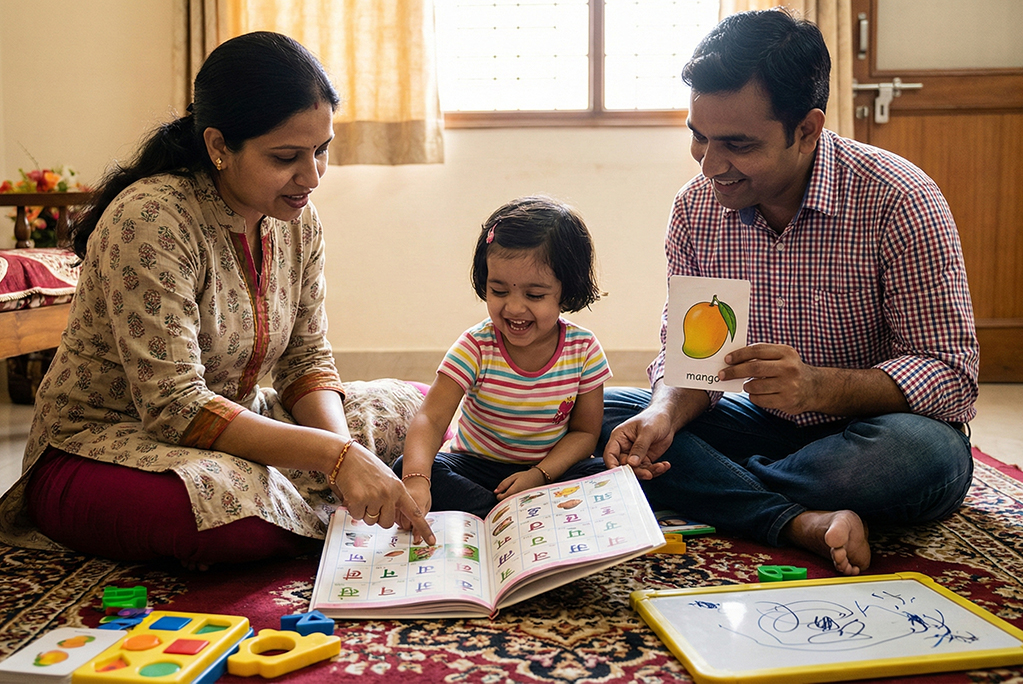
Supporting learning at home for preschoolers doesn’t require perfection—just love, time, and consistency. By creating a positive environment, encouraging play, reading regularly, and involving learning in daily routines, parents can help their children build strong foundations for future success.