

Daily Routines That Help Preschool Children Learn Better
Creating a structured daily routine plays a powerful role in early childhood development. For preschool children, routines are more than just schedules — they are learning tools that shape behavior, improve focus, and build emotional security. Well-planned daily routines help preschoolers understand what to expect, feel confident, and learn more effectively through consistent experiences.
In this article, we explore daily routines that help preschool children learn better, while highlighting how simple habits can support cognitive, emotional, and social development.
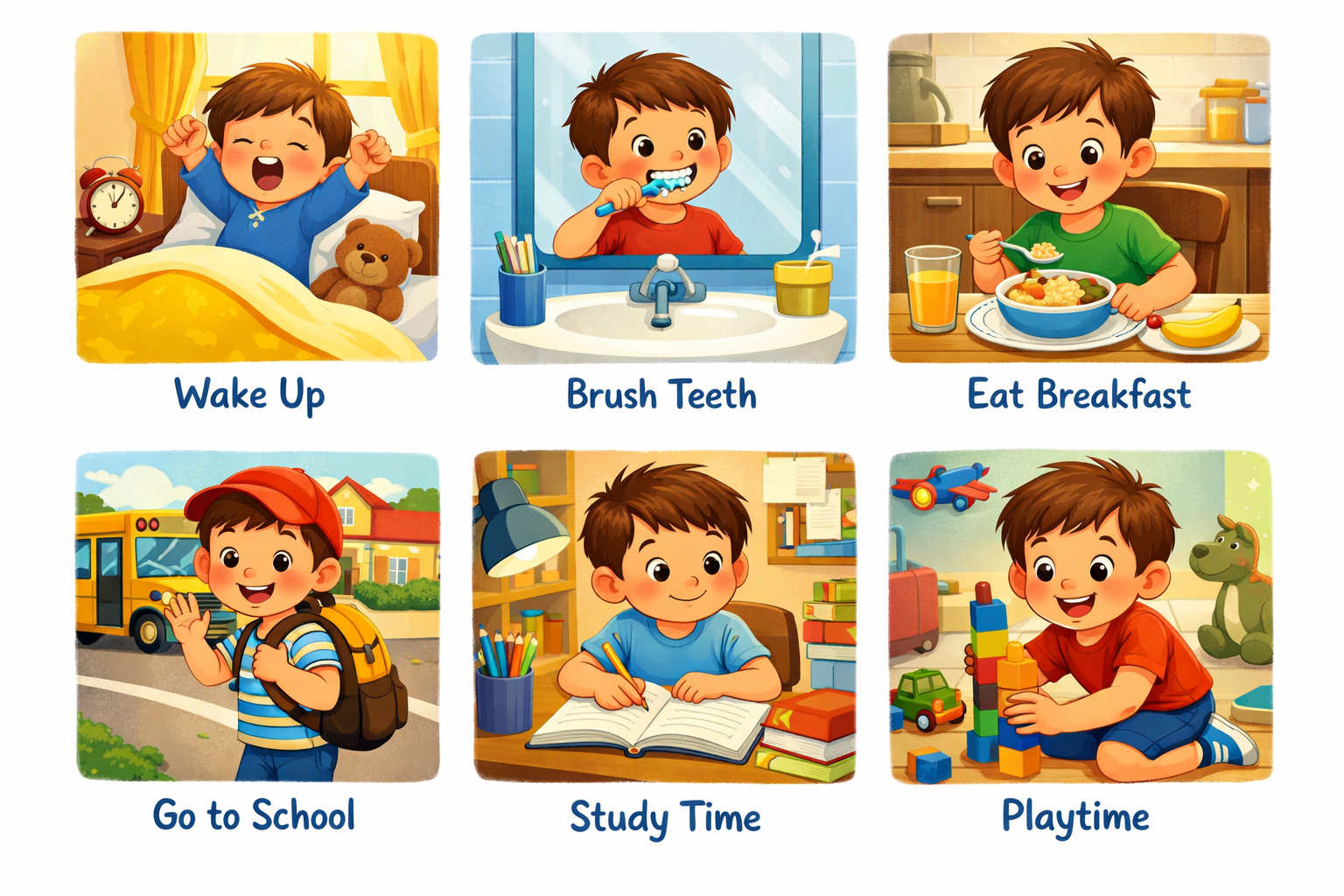
Why Daily Routines Are Important for Preschool Children
Preschool children thrive on predictability. When daily activities follow a consistent pattern, children feel safe and relaxed, which helps them concentrate and engage in learning. A structured routine also supports:
Better attention span
Improved memory and language skills
Positive behavior and self-discipline
Emotional stability
Stronger independence
Research in early childhood education shows that structured daily routines in preschool significantly improve learning outcomes and school readiness.
1. Morning Routine That Sets the Tone for Learning
A calm and predictable morning routine prepares preschool children mentally for the day ahead.
Effective morning habits include:
Waking up at a fixed time
Personal hygiene activities (brushing teeth, washing hands)
Getting dressed independently
Eating a healthy breakfast
These simple routines build responsibility and help children transition smoothly into learning mode. A consistent morning routine improves focus and reduces anxiety in preschool children.
2. Circle Time for Communication and Social Skills
Circle time is a crucial part of a preschool daily routine. It encourages language development, listening skills, and social interaction.
During circle time, children can:
Sing rhymes and songs
Listen to stories
Talk about the day’s theme
Share feelings or experiences
This routine enhances vocabulary, boosts confidence, and helps children learn how to express themselves clearly.
3. Learning Through Play Sessions
Play-based learning is essential for preschool education. Daily play routines help children learn concepts naturally through exploration and creativity.
Types of play that support learning:
Role play and pretend play
Building blocks and puzzles
Art and craft activities
Sensory play
Including structured playtime in preschool routines helps develop problem-solving skills, creativity, and fine motor coordination.
4. Snack and Meal Time Routines
Snack and meal times are excellent learning opportunities when included thoughtfully in daily routines.
Children learn:
Table manners
Sharing and patience
Healthy eating habits
Language skills through conversation
Consistent meal routines also support physical growth and improve attention during learning sessions.
5. Outdoor Play and Physical Activity
Daily outdoor play is vital for a child’s physical and mental well-being. It helps release energy and improves concentration during indoor learning.
Outdoor routines may include:
Free play
Group games
Nature exploration
Simple exercises
Physical activity strengthens muscles, improves coordination, and supports brain development in preschool children.
6. Quiet Time and Rest Routine
Preschool children need regular rest to recharge their minds. A quiet time routine helps prevent overstimulation and supports emotional balance.
Quiet activities can include:
Story listening
Drawing
Soft music
Nap time
Rest routines help improve memory retention and emotional regulation, making children more receptive to learning.
7. Creative Learning Activities
Including creative routines daily helps preschool children express themselves freely and think imaginatively.
Creative routines may involve:
Drawing and coloring
Music and movement
Dance and drama
Craft work
Creativity boosts confidence and encourages self-expression, which is essential for holistic preschool development.
8. End-of-Day Reflection and Goodbye Routine
Ending the day with a consistent routine helps children feel accomplished and emotionally secure.
This routine can include:
Revisiting what they learned
Appreciating good behavior
Preparing for the next day
Saying goodbye with positivity
Reflection routines help children connect experiences with learning outcomes and develop emotional intelligence.
How Parents and Preschools Can Work Together
Consistency between home and school routines strengthens learning outcomes. When parents follow similar routines at home, children adapt faster and feel more confident.
Tips for parents:
Maintain fixed sleep and meal times
Encourage independent tasks
Limit screen time
Communicate regularly with teachers
A strong partnership between parents and preschool educators ensures a smooth learning journey for children.
Daily routines are the foundation of effective preschool learning. When routines are thoughtfully planned and consistently followed, preschool children develop better focus, emotional stability, and a love for learning. From morning habits to end-of-day reflection, each routine contributes to a child’s overall growth and readiness for future education.
By implementing structured daily routines for preschool children, parents and educators can create a nurturing environment where learning happens naturally and joyfully.